
EMMA is an Erasmus+ cooperation project that helps small and medium-sized municipalities respond faster and more effectively to climate-related emergencies—by improving how they prepare, train, and coordinate citizen volunteers when disasters strike.
Across Europe, extreme events (floods, fires, storms) increasingly overwhelm local public services—especially when large numbers of spontaneous volunteers arrive without clear coordination. EMMA was created to turn that civic energy into a safe, organised, and efficient response.

Why EMMA matters
When a major emergency happens, municipalities often need to mobilise hundreds or thousands of citizens quickly—yet many local administrations lack standardised protocols, training, and tools to manage volunteer registration, role assignment, communication, safety, and logistics. EMMA addresses this gap by combining training, digital tools, and policy guidance designed specifically for the reality of smaller municipalities.
What EMMA will deliver

A multilingual training system: the EMMA MOOC
A flexible online course (MOOC) that strengthens municipal staff skills in volunteer coordination, using real cases and operational simulations.

An innovative digital toolkit
A practical toolkit to help municipalities train and coordinate volunteers quickly, including features such as real-time communication, task assignment, and resource allocation—supported by Artificial Intelligence (AI) and Augmented Reality (AR) to speed up learning and improve effectiveness in the critical first hours of an emergency.
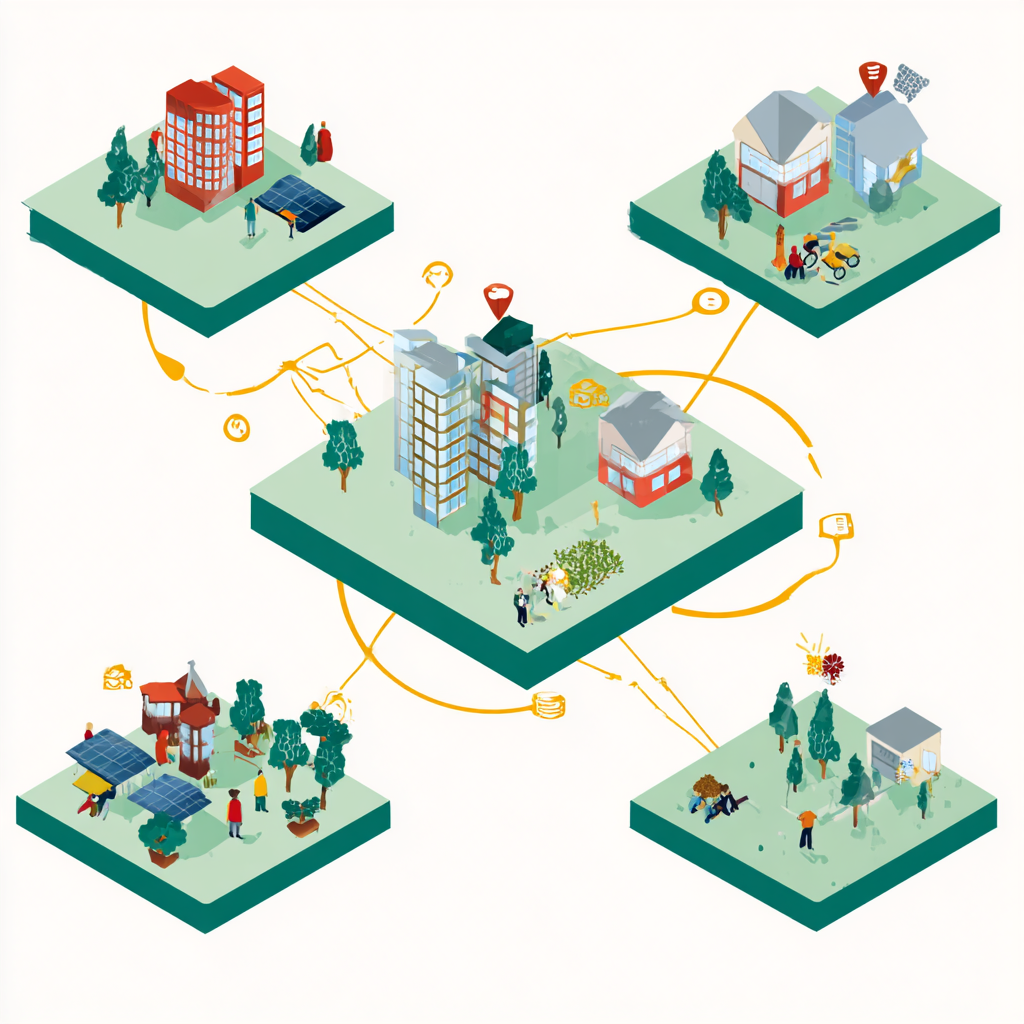
A practical model and policy guidance
EMMA will deliver a Methodological Intervention Model based on European good practices and stakeholder input, plus policy guidelines to help municipalities embed and scale the approach long-term.
Partnership
EMMA brings together a multidisciplinary European consortium: local public authorities, higher education, vocational training expertise, and technology innovation.
- CONSORCI DE LA RIBERA (Spain)
- AYUNTAMIENTO DE CULLERA (Spain)
- Consorzio Scuola Comunità Impresa (CSCI) (Italy)
- Lucian Blaga University of Sibiu (Romania)
- Municipality of Lake Plastira (Greece)
- Telewander ApS (Denmark)
Timeline and activities
EMMA runs for 24 months, starting with preparation and the launch of the project’s dissemination actions from 1 October 2025, and continuing through 30 September 2027.
Key phases include:
- Research and co-design of the methodological model (good practices, interviews, focus groups)
- Development of the curriculum, MOOC platform, and toolkit
- Pilot testing and national pilots, plus a final European event
Dissemination and sustainability
EMMA is built for real-world adoption. The project includes:
- A digital platform hosting the MOOC and toolkit
- Multilingual promotional materials, newsletters, and national dissemination events
- A final European event and policy recommendations to support transferability
- A sustainability plan to keep the platform accessible and encourage long-term integration into municipal protocols
Funding
EMMA is funded by the Erasmus+ Programme (KA220-VET – Cooperation partnerships in vocational education and training)